Post hoc impie perpetratum quod in aliis quoque iam timebatur
-
April 22, 2026

-
4 min read

The aerospace industry has always demanded the highest standards of precision, material integrity, and manufacturing efficiency. As next-generation aircraft designs incorporate increasingly complex geometries and advanced composite materials, traditional machining approaches are reaching their limits. Enter 3D 5-axis laser cutting — a transformative technology that's reshaping how aerospace components are manufactured at scale.
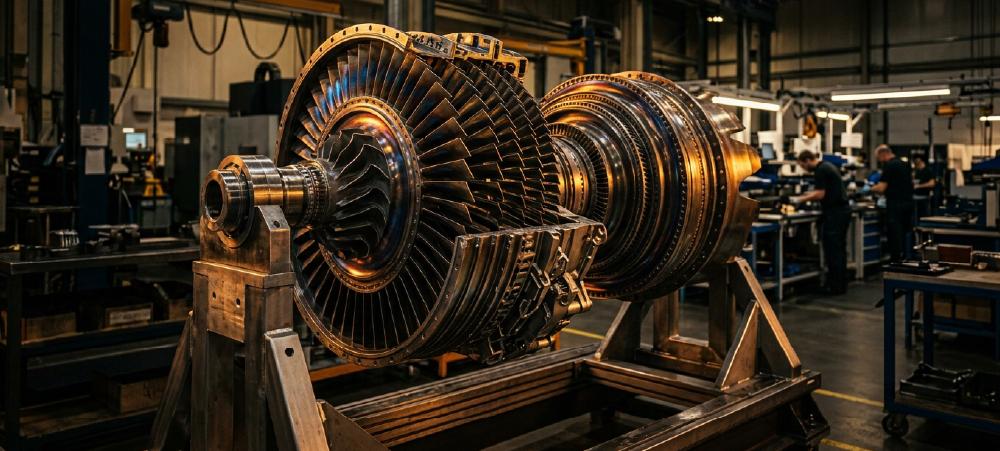
Modern aircraft are engineering marvels consisting of millions of individual components, each manufactured to tolerances measured in microns. From turbine blades and structural frames to heat shields and fuselage panels, every piece must meet exacting specifications while maintaining the material properties critical to flight safety.
Traditional manufacturing methods — CNC milling, waterjet cutting, and conventional 2D laser systems — have served the industry well for decades. However, these approaches face significant limitations when confronted with the complex three-dimensional contours and advanced alloys increasingly used in modern aerospace designs.
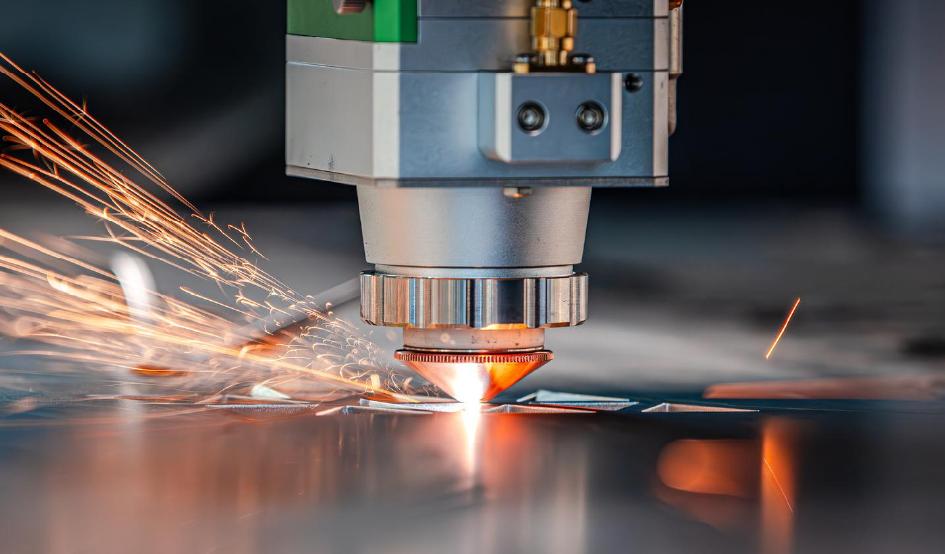
Unlike conventional flat-bed laser cutters that operate on two or three axes, a 5-axis system allows the cutting head to move along the X, Y, and Z linear axes while simultaneously rotating on two additional axes (typically the A and C axes). This gives the laser the freedom to approach the workpiece from virtually any angle, maintaining optimal perpendicularity to the surface at all times.
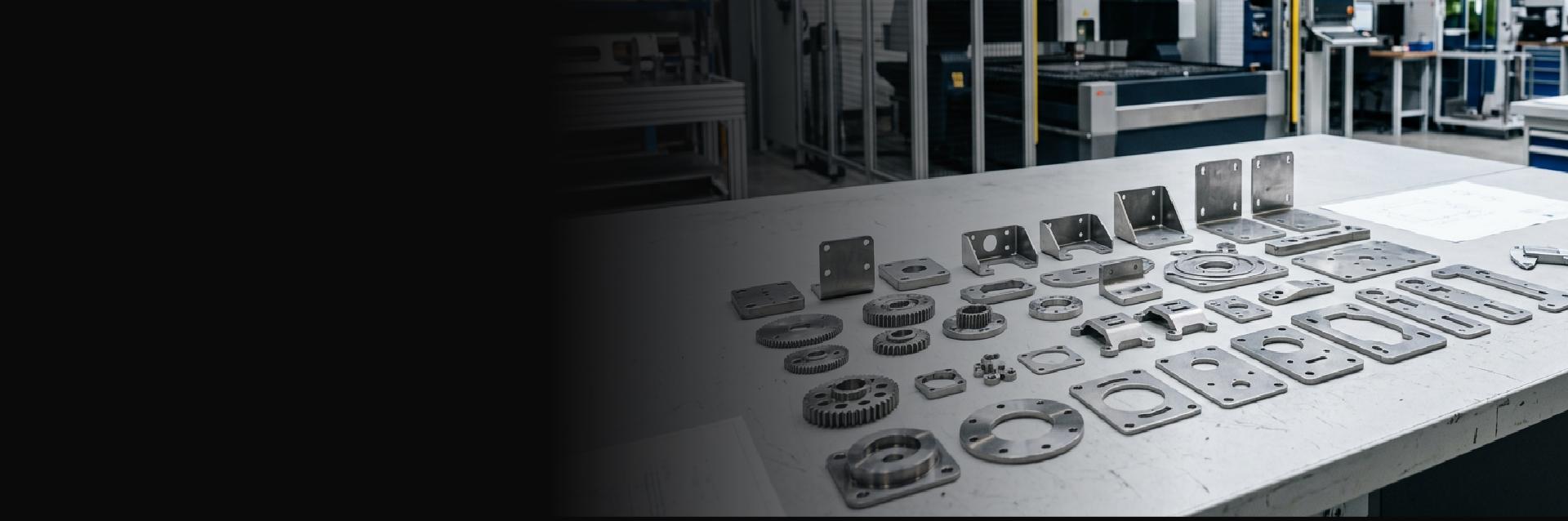
The result is unprecedented capability for processing complex 3D surfaces — curved panels, formed sheet metal, hydroformed tubes, and stamped components — with tolerances as tight as ±0.05mm. For aerospace manufacturers, this means fewer secondary operations, less material waste, and dramatically faster production cycles.
One of the most compelling recent applications of 3D 5-axis laser cutting in aerospace is the trimming of engine nacelle components. Nacelles — the aerodynamic housings that surround jet engines — feature complex double-curved surfaces made from formed titanium and aluminum sheets that require precise trimming after forming.
Traditionally, this operation required custom fixturing, manual layout, and hours of careful CNC routing. Using ZG Laser's ZG-3D/5A system equipped with a 4kW fiber laser source, a major European aircraft manufacturer reduced their nacelle trim cycle time from 4.5 hours to just 38 minutes — an 85% improvement. The elimination of hard tooling alone saved an estimated €2.1M annually across their production line.
"The transition to 5-axis laser cutting has fundamentally changed our approach to forming and trimming operations. We've not only improved throughput dramatically but also achieved more consistent quality across our production volumes."
— Senior Manufacturing Engineer, European Aerospace OEM
The next frontier in 5-axis laser cutting for aerospace lies in the integration of artificial intelligence and real-time sensor feedback. ZG Laser is actively developing systems that use machine vision and spectral analysis to adapt cutting parameters in real time — compensating for material thickness variations, surface irregularities, and thermal drift during long production runs.
These intelligent systems will enable truly lights-out manufacturing, where complex aerospace components can be processed overnight with minimal human intervention while maintaining the stringent quality standards the industry demands. Early pilot programs with select aerospace partners have demonstrated a 99.7% first-pass yield rate — a significant improvement over conventional methods that typically achieve 94–96%.
Another transformative development is the integration of 5-axis laser cutting systems with digital twin technology. By creating a virtual replica of both the machine and the workpiece, manufacturers can simulate the entire cutting process before any material is touched. This enables optimization of toolpaths, prediction of potential thermal issues, and validation of dimensional accuracy — all in the digital domain.
For aerospace programs where a single titanium forging can cost tens of thousands of dollars, the ability to virtually prove out a cutting program before committing to physical processing represents enormous risk reduction and cost savings.

English
Tell us about your manufacturing challenges.
Our engineers will design a laser solution tailored to your exact requirements.